
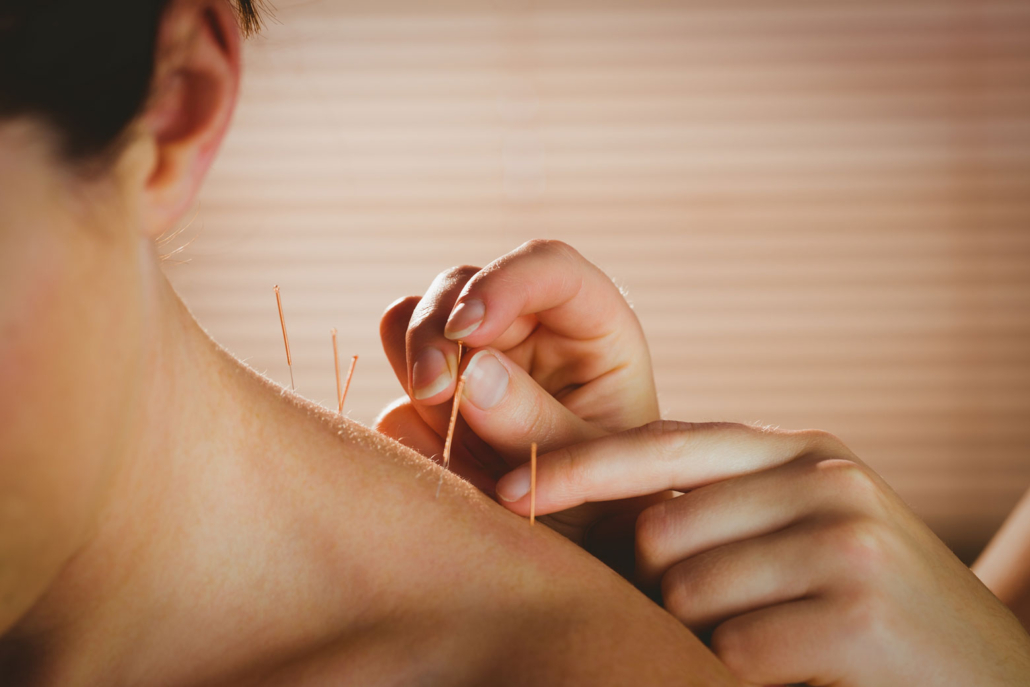
Acupressure Therapy
Acupressure Therapy is a natural, non-invasive healing method in which pressure is applied with the fingers, thumbs, knuckles, elbows, or special tools to specific points on the body. These points are believed to influence the flow of energy (often called "Qi" or "Chi" in Traditional Chinese Medicine) and may also stimulate nerves, muscles, connective tissue, and circulation.
How Acupressure Works
Acupressure is thought to:
-
Improve blood circulation
-
Relax muscles and reduce stiffness
-
Help relieve pain
-
Reduce stress and anxiety
-
Promote better sleep
-
Support overall well-being
Scientific evidence suggests acupressure can help with some conditions (such as certain types of pain, nausea, and anxiety), but evidence for many other claimed benefits is still limited.
Types of Acupressure Therapy
1. Traditional Chinese Acupressure (TCM)
-
Based on meridians (energy channels) and acupoints.
-
Uses hundreds of specific points throughout the body.
-
Commonly used for pain, digestive issues, headaches, and stress.
2. Japanese Shiatsu
-
Uses finger, thumb, and palm pressure along meridians.
-
Includes stretching and joint mobilization.
-
Focuses on restoring the body's natural balance.
3. Su Jok Therapy
-
Developed by Prof. Park Jae-woo.
-
Uses the hands ("Su") and feet ("Jok") as miniature representations of the whole body.
-
Often combines acupressure with seeds, magnets, color therapy, and rings.
4. Reflexology
-
Applies pressure mainly to the feet, hands, and ears.
-
Based on the idea that these areas correspond to different organs and body systems.
-
Widely used for relaxation and stress reduction.
5. Auricular Acupressure (Ear Acupressure)
-
Stimulates specific points on the ear.
-
Often uses ear seeds or magnetic pellets.
-
Commonly used for pain management, stress, insomnia, and smoking cessation support.
6. Trigger Point Acupressure
-
Focuses on tight, painful muscle knots (trigger points).
-
Based more on modern anatomy than traditional meridian theory.
-
Frequently used for muscle pain and sports rehabilitation.
7. Medical or Clinical Acupressure
-
Integrates traditional acupressure with modern healthcare.
-
Used as a complementary therapy in pain clinics, rehabilitation, and palliative care.
8. Instrument-Assisted Acupressure
-
Uses rollers, massage balls, wooden tools, or blunt probes instead of fingers, Stimulators, Vibrators etc...
-
Useful for treating multiple points efficiently and reducing hand fatigue for practitioners.
Common Conditions for Which Acupressure Is Used
-
Neck and back pain
-
Shoulder pain
-
Knee pain
-
Headaches and migraines
-
Stress and anxiety
-
Insomnia
-
Nausea and motion sickness
-
Muscle tension
-
Menstrual discomfort
-
Digestive complaints
Common Techniques
-
Steady finger pressure
-
Circular massage
-
Intermittent pressing and releasing
-
Thumb walking
-
Knuckle or elbow pressure (performed carefully)
-
Seed or magnetic pellet stimulation (especially in Su Jok)
Safety
Acupressure is generally considered safe when performed correctly. However:
-
Avoid applying strong pressure over fractures, open wounds, burns, or infected skin.
-
Pregnant individuals should avoid certain acupressure points unless guided by a qualified practitioner.
-
People with bleeding disorders or those taking blood thinners should use caution.
-
Persistent or severe symptoms should be evaluated by a healthcare professional.
Acupressure is best viewed as a complementary therapy. It may help relieve symptoms and improve quality of life, but it should not replace appropriate medical diagnosis or treatment for serious conditions.

Digital Stethoscope
Lorem ipsum dolor sit amet, consectetur adipisicing elit. Dignissimos repellendus repudiandae incidunt quidem pariatur expedita, quo quis modi tempore non.

We want to give you 10% discount for your first order,
Use
discount code at checkout


We want to give you 10% discount for your first order,
Use
discount code at checkout